Testing & Services
Anchor Bolt Testing
Anchor bolts play a key part in keeping a structure sound and stable
At a Glance
In construction, anchor bolts fasten equipment to its foundations and hold structures steady. They stand up to loads from wind and earthquakes, which keeps people safe. Because they can be arranged in many custom layouts, designers can fine-tune the structural solution. Properly tested anchor bolts also add load-bearing capacity, which matters when they carry heavy machinery and plant, and helps produce sturdy, dependable builds.
Testing anchor bolts is a vital step in making sure a structure stays safe and stable. These bolts tie buildings, machinery and heavy equipment down to their foundations, so they must carry large loads and keep their strength for years. Testers use a mix of non-destructive and destructive methods to judge each bolt’s quality, strength and durability.
Non-destructive methods such as visual inspection, ultrasonic testing and magnetic particle testing find cracks, flaws and other irregularities while leaving the bolt intact.
Destructive methods, including tension, shear and compression tests, load a bolt until it fails in order to find its ultimate capacity. Testing reveals weak points early and helps prevent failures that could lead to serious damage or injury.
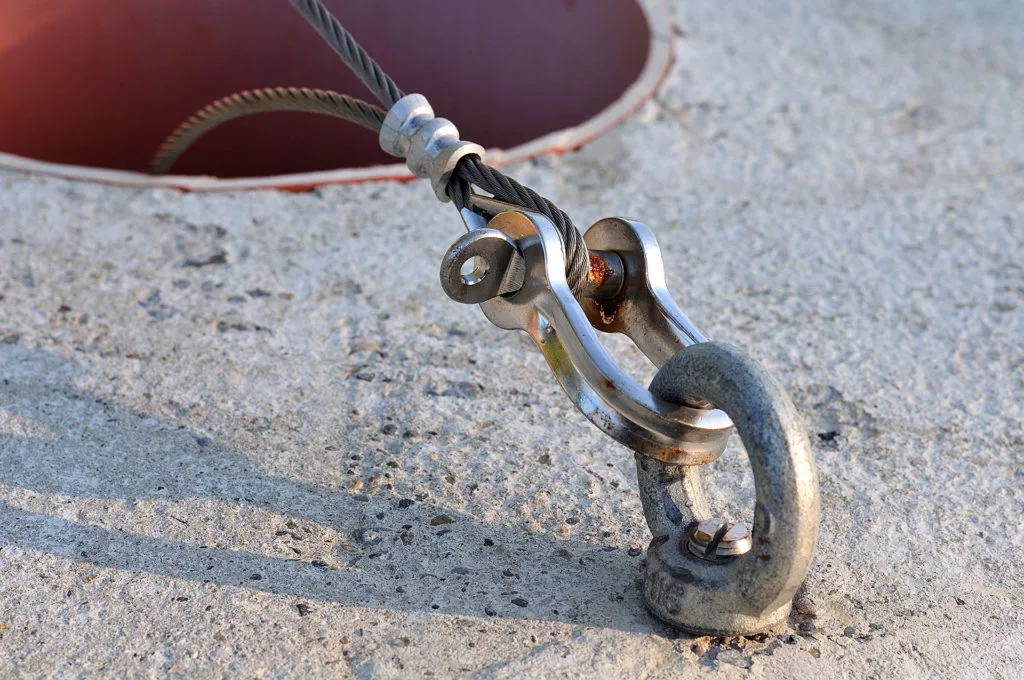
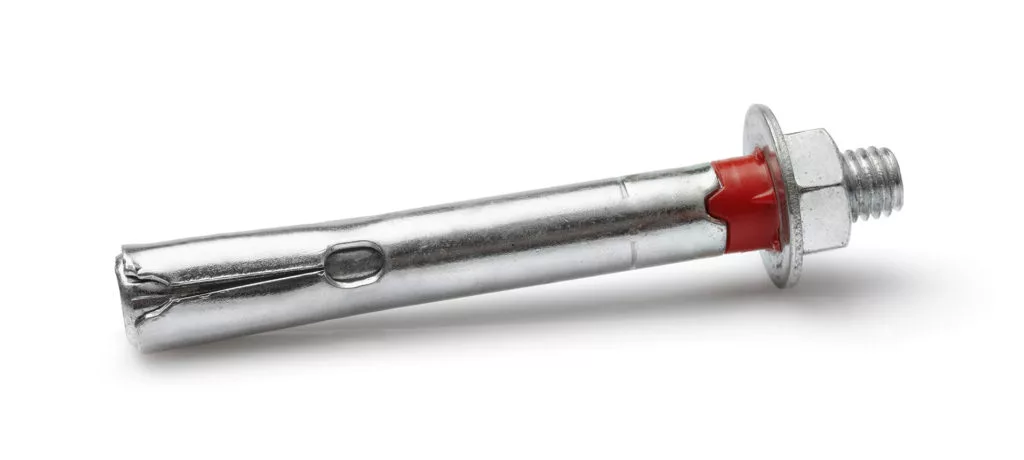
Anchor bolts tie both structural and non-structural members into concrete. A connection may use several parts: the anchors themselves (sometimes called fasteners), steel plates or stiffeners. The loads they carry fall into two types: tension and shear.
Cast-in-Place Anchors
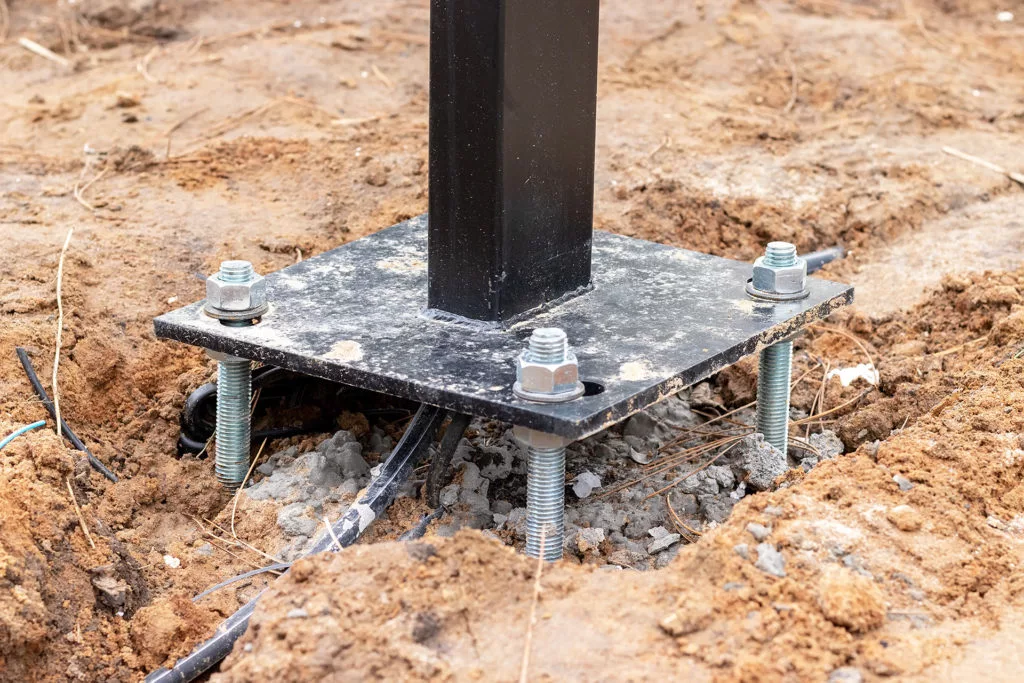
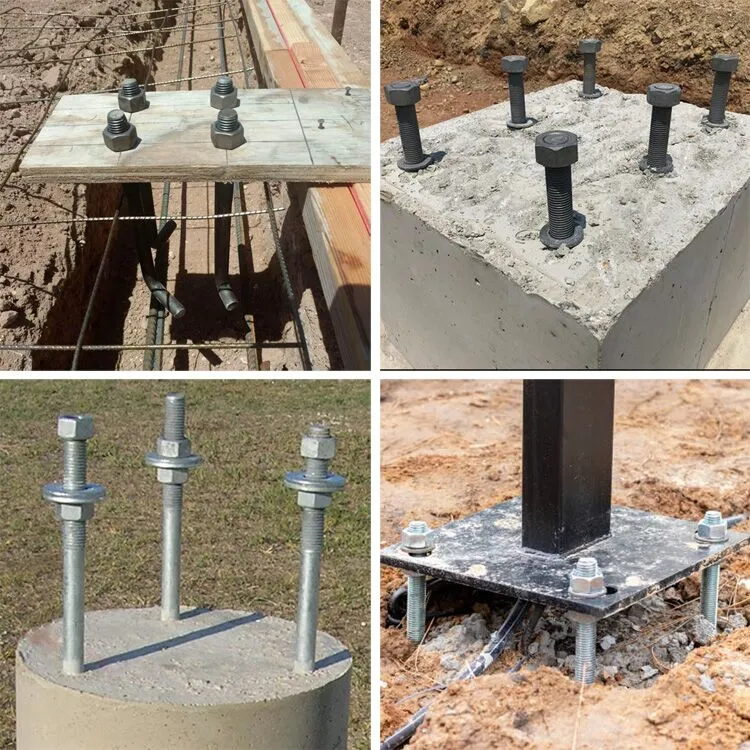
Cast-in-place anchors are the most basic type and also the strongest. The embedded end is usually a standard hex-head bolt with a washer, a 90-degree hook, or a forged or welded flange.
Anchors with welded flanges act as shear connectors in composite concrete-and-steel construction. Cast-in anchors also hold machinery down on poured concrete slabs and tie buildings to their foundations. A range of mostly plastic, usually single-use fittings is made to hold these anchors in position and alignment before the concrete is poured.
Their locations also need to be planned around the rebar layout. Cast-in-place anchors come in several distinct types.
WB Equipment uses advanced test equipment to check that your bolts are sound.
Tell us what you need:
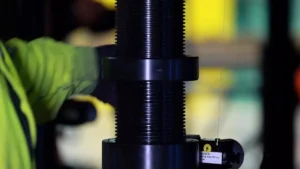
WB Equipment Corp offers engineered anchor bolt testing with custom center-hole hydraulic cylinders that apply a controlled axial load straight through the threaded fastener.
Discuss your project with WB Equipment
One team handles rentals, sales and service, backed by NIST-traceable calibration we do ourselves and field support anywhere in North America.
Key Terms for Anchor Bolt Testing
Short explanations from the WB Knowledge Base of the words you'll meet on this kind of job.
-
Anchor Bolt Testing
Proof-loading bolts set in concrete or rock to show they hold their design load.
-
Chemical Anchor
Resin-bonded rod or rebar in drilled concrete, usually proof tested in place.