Results
Featured Terms
Choose a letter, type a word or pick a category to find more terms.
#
-
Why 700 bar is the usual limit for jacking gear, and why every component has to match it.
A
-
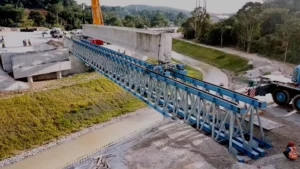
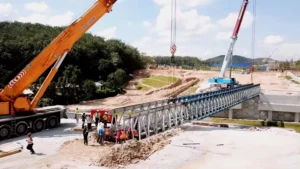
Faster bridge work using precast sections and quick moves into place.
-
Hex nut size taken flat face to flat face, the figure used to pick tools.
-
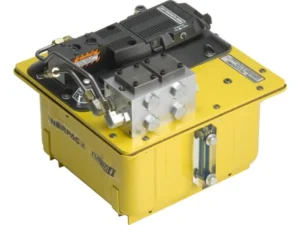
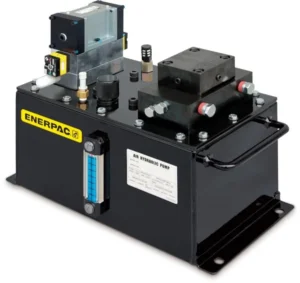
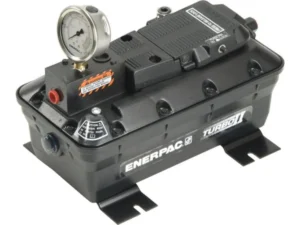
Runs jacks and cylinders from a compressed air line instead of a motor or hand lever.
-
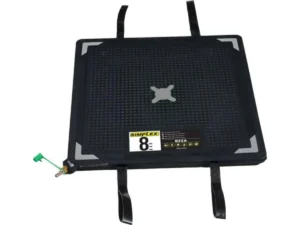
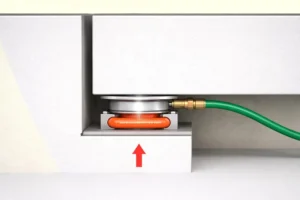
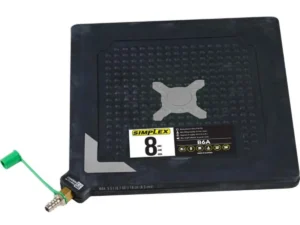
Slim inflatable bag that lifts heavy objects from a gap far too low for a jack.
-
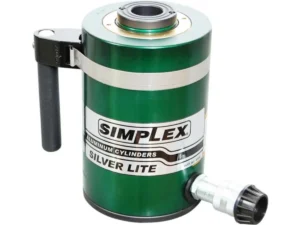
Lightweight jack body in aluminum, roughly 50% lighter than steel at the same rating.
-
Proof-loading bolts set in concrete or rock to show they hold their design load.
B
-
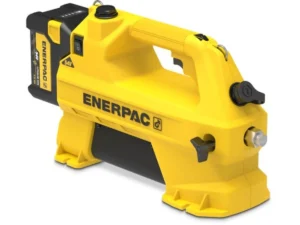
Cordless hydraulic power for sites without mains electricity or compressed air.
-
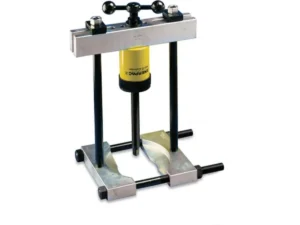
Removes bearings from shafts with even pull, avoiding damage to the seat.
-
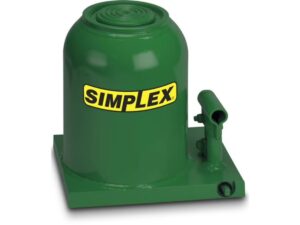
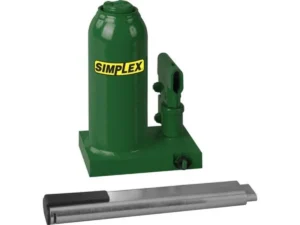
Upright, bottle-shaped jack with its own pump and oil tank built in.
-
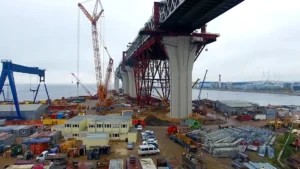
Raising a span slightly so old bridge bearings can come out and new ones go in.
-
Using synchronized jacks to lift a bridge deck for bearing work or a height change.
-
Removing an old span and installing its replacement with jacks and skid systems.
-
Moving a span built off to the side across onto its supports with skid tracks.
-
Finding the real load on each bridge bearing with calibrated jacks and load cells.

C
-
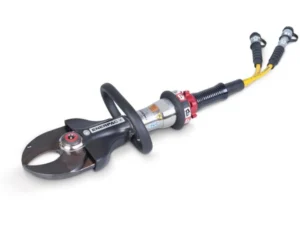
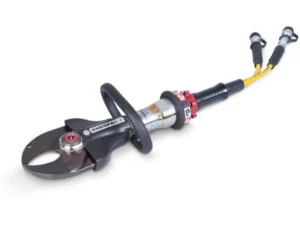
Cuts wire rope and steel strand in a single clean hydraulic stroke.
-
Paper record of test results proving a jack, gauge or load cell reads true.
-
The time allowed between recalibrations, often one year or per the spec.
-
Where a load balances, which governs how it lifts and where it needs support.
-
Resin-bonded rod or rebar in drilled concrete, usually proof tested in place.
-
Pinned fork or eye fitting that lets a cylinder pivot on the machine it drives.
-
Lifts heavy loads in stages while a cribbing stack is built up beneath them.
-
Checking a crane's real weight from load cell readings at each axle or outrigger.
-
Stacks of timber or steel blocks that carry a raised load while it stays up.
-
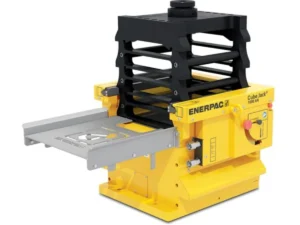
Lifts in stages over a growing tower of locking cubes, so the load is always held.
-
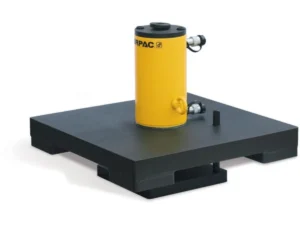
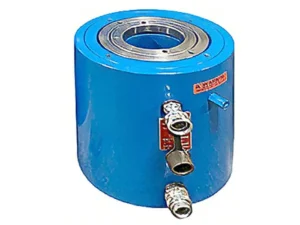
Made-to-order hollow cylinder, available from 200 to 1,400 tons.
-
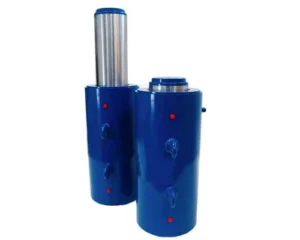
Made-to-order cylinder for jobs where catalog strokes, sizes or mounts fall short.
-
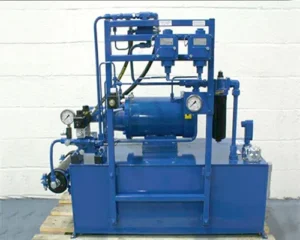
Hydraulic power package engineered for a single job, with matched motor, flow and valving.
-
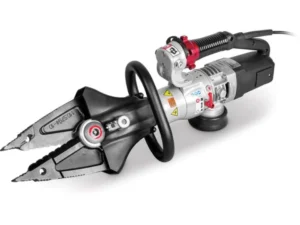
Cuts and spreads with the same jaws, used in rescue, dismantling and repair work.
D
-
Heavy hydraulic shear for steel pipe and structure when facilities are taken down.
-
Controls oil flow so a cylinder moves out, stops in place or comes back in.
-
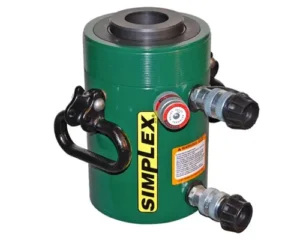
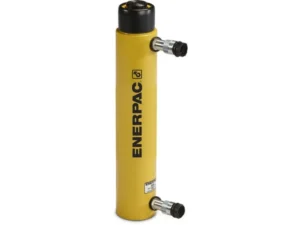
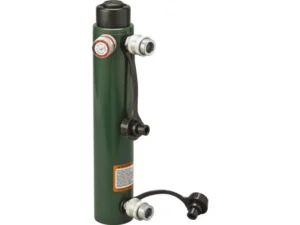
Two-port cylinder with oil-powered travel both out and back in.
-
Tells you how much running a pump or motor can take before it needs a cool-down.
E
-
Plunger surface that converts hydraulic pressure into output force.
-
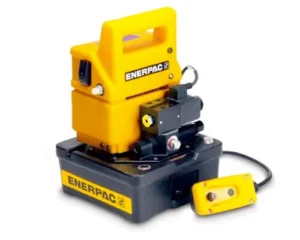
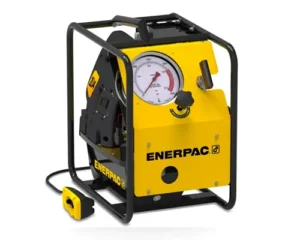
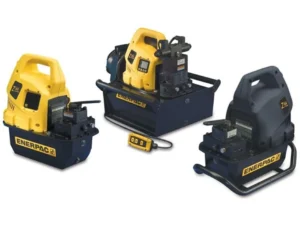
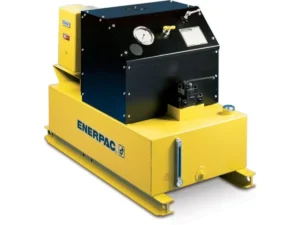
Motor-driven pump for running jacks, cylinders and hydraulic tools on mains power.
F
-
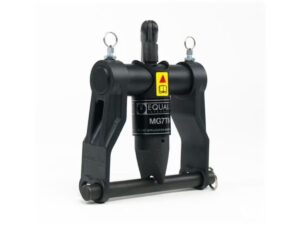
Opens a flanged pipe joint evenly for safe gasket inspection and replacement.
-
Thin steel jack that expands under fluid pressure in gaps too narrow for other jacks.
-
Measures the in-place stress of an existing masonry wall using flat jacks.
-
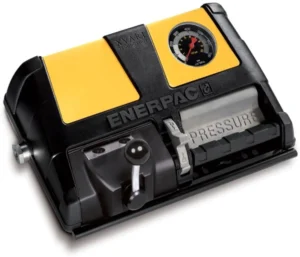
Pedal-operated hydraulic pump that frees up both hands for the work.
G
-
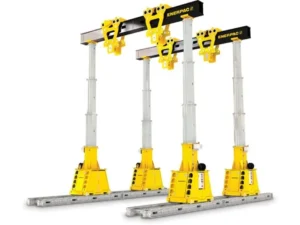
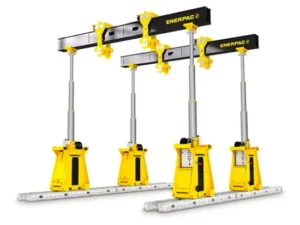
Hydraulic-leg lifting frame for heavy machinery in places a crane cannot reach.
-
Rail system that lets a hydraulic gantry carry its load to a new position.
-
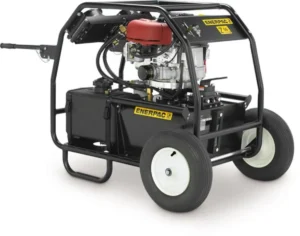
Gasoline-engine pump for heavy hydraulic work at remote sites with no power.
-
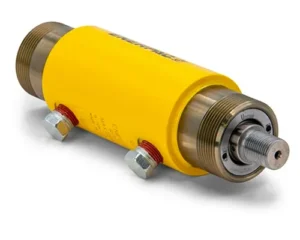
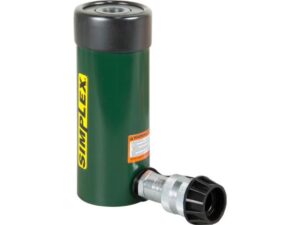
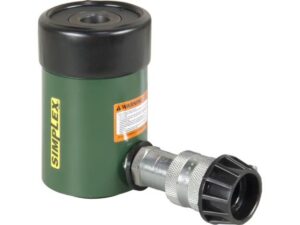
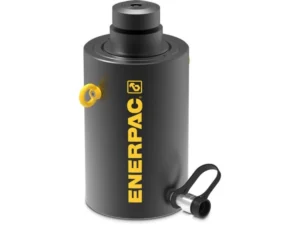
Workhorse single-acting cylinder for routine pressing, pushing and lifting.
-
The load pushing down on the ground under supports, checked against what the ground can hold.
-
Flat jack pumped full of grout, which then cures to hold the load for good.
H
-
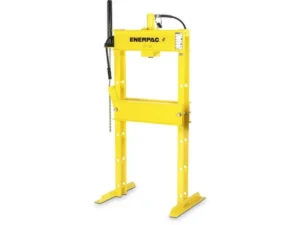
Standard shop press built on a rigid H-shaped frame with a movable bed.
-
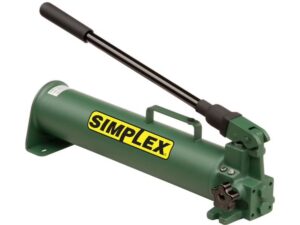
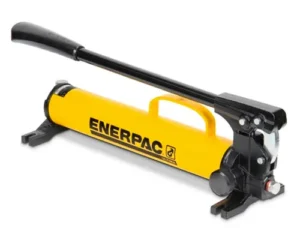
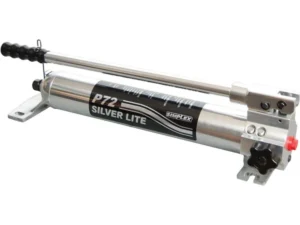
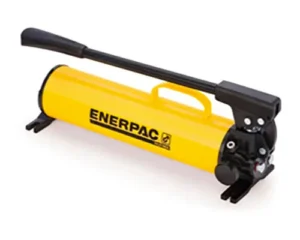
Lever-worked pump that runs hydraulic cylinders with no outside power source.
-
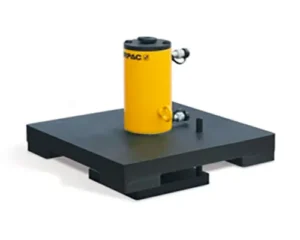
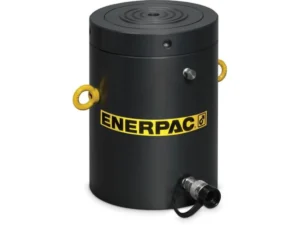
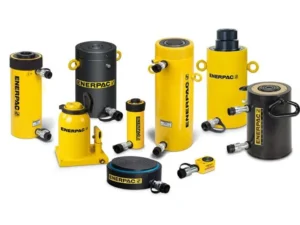
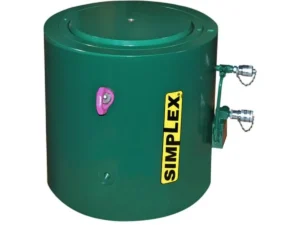
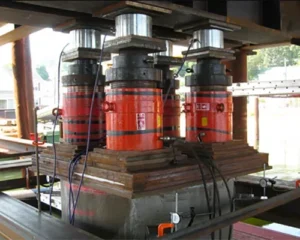
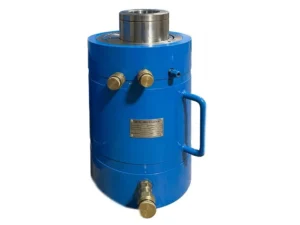
Large-capacity cylinder rated in hundreds of tons for bridge and structural lifts.
-
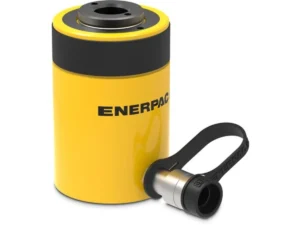
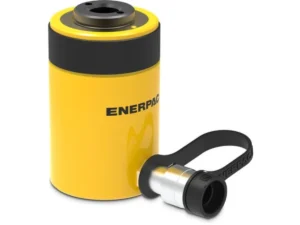
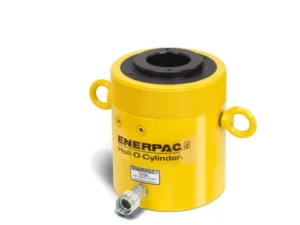
Center-hole cylinder that lets a rod or strand pass through so it can pull as well as push.
-
Hydraulically stretches a stud so its nut can be set for precise bolt tension.
-
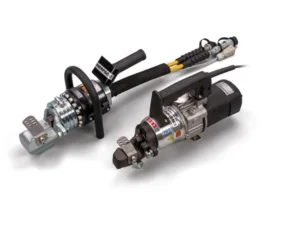
Spark-free hydraulic tool for fast cuts through rebar, chain, cable and fasteners.
-
Where a hydraulic system does its work: pressurized oil drives the plunger out hard.
-
Rent cylinders from small jacks to 1,000 tons, plus the pumps, hoses and gauges.
-
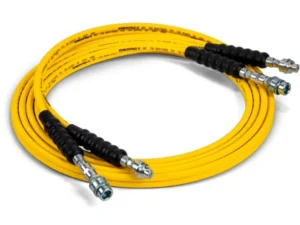
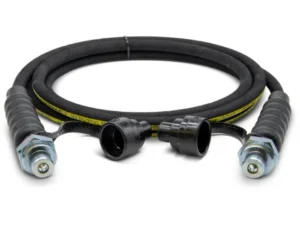
Reinforced line that moves oil under pressure from pump to cylinder or tool.
-
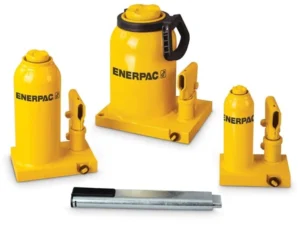
Oil-powered jack that lifts heavy weights with only modest effort.
-
Splits one pump's oil among several cylinders, with a valve at each outlet.
-
Why hydraulic fluid choice affects pump life, seal health and reliable lifting.
-
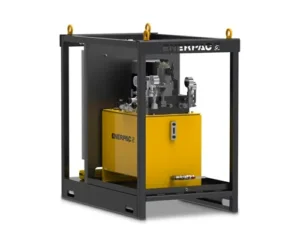
Motor, pump, tank and valves in one unit for long-running, multi-outlet hydraulic work.
-
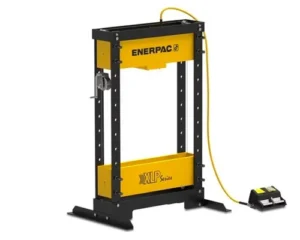
Steel frame plus cylinder for pressing bearings, straightening shafts and forming parts.
-
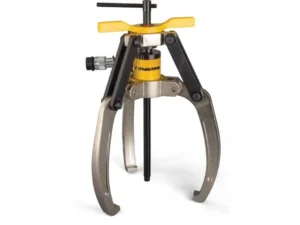
Ram-powered jaws that draw bearings, gears and pulleys off shafts without damage.
-
Drives pressurized oil to jacks and tools, with a valve that sets extend, hold or retract.
-
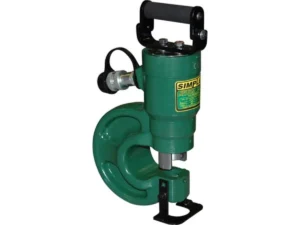
Makes neat holes in steel plate, channel and busbar in seconds, with no drilling.
-
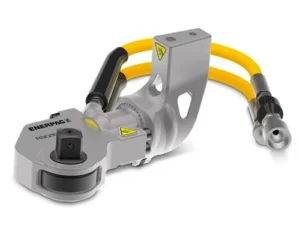
Short-term hire of hydraulic torque wrenches and pumps for big bolting jobs.
I
-
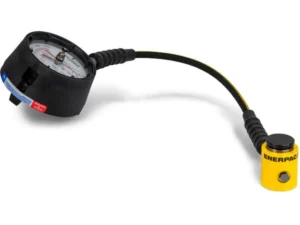
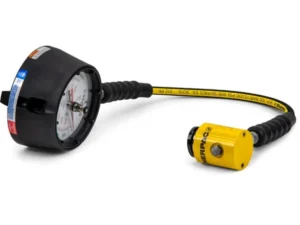
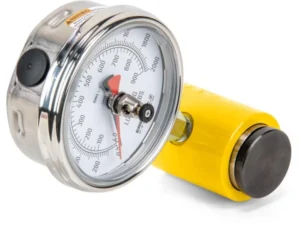
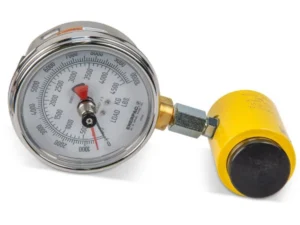
Reads oil pressure in the hose so you know how hard the cylinder is pushing.
-
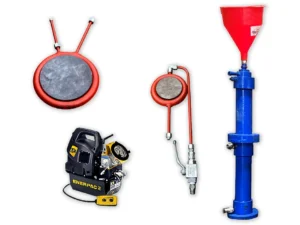
Pump, hoses and fittings that pressurize flat jacks with fluid or grout.
J
-
Proving jack, gauge and load cell readings against a traceable reference.
-
Steel support set under a raised load so the jack is not the only thing holding it.
-
Raises heavy loads from underneath, stacking steel barrels as each stroke is made.
-
Launch pit frame carrying the main jacks that drive pipe sections underground.
K
-
Metric force unit: about 225 lbf each, with roughly 8.9 kN in one US ton.
-
US force unit of 1,000 lbf, common on structural plans and test specs.
L
-
Valves and gauges that let the operator fill, hold and empty air bags safely.
-
Steel sections slid under a load, one per stroke, during a jack-up lift.
-
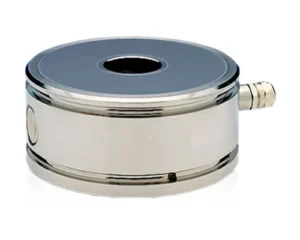
Sensor that measures the real force under a jack, for testing and weighing.
-
Low steel roller platform for rolling heavy machines across a shop floor.
-
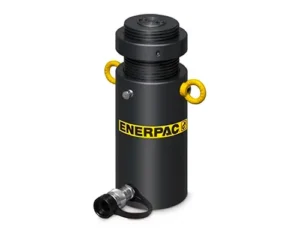
Cylinder with a threaded collar that locks a raised load on steel, not oil.
-
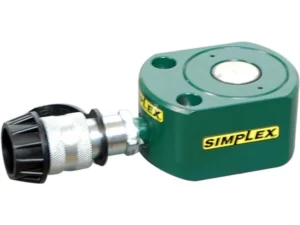
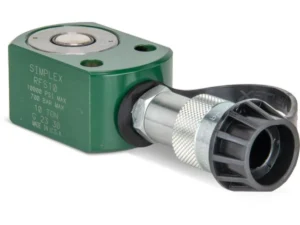
Extra-short cylinder for starting a lift where clearance is just a few inches.
M
-
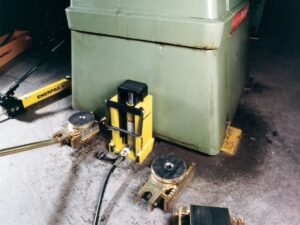
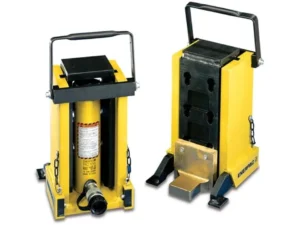
Matched toe jacks, skates and extras for raising and relocating heavy machines.
-
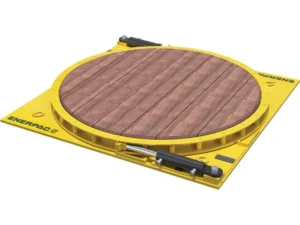
Low rotating platform for turning very heavy machines to face the right way.
-
How levers, screws and hydraulics turn modest effort into very large force.
-
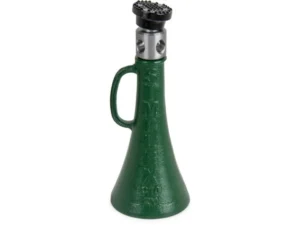
Screw-thread jack that lifts and holds loads with no hydraulic oil involved.
-
Heavy-duty jack for servicing haul trucks, loaders and shovels at the mine.
-
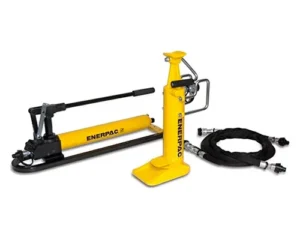
Raising one load from several points together while keeping it level.
N
-
Calibration tied by documented comparisons back to US national standards.
-
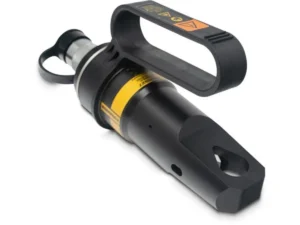
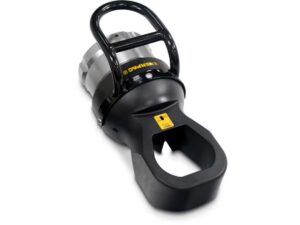
Cracks rusted or frozen nuts off hydraulically while sparing the bolt threads.
O
-
A ring of rubber that keeps oil from escaping pumps, valves, cylinders and couplers.
-
The tank on a pump; the oil you can actually deliver sets the maximum cylinder travel.
-
How much force each crane outrigger pad pushes into the soil below it.
-
Headroom above the load, which limits your choice of crane, gantry or jack.
P
-
The core hydraulic principle: fluid pressure pushes the same amount every way.
-
Corded handheld controller for running a power unit or pump from a distance.
-
In-depth cyclic load test carried out on the first tiebacks on a project.
-
Confirms a foundation pile will safely support the load it was designed to carry.
-
Trenchless installation where heavy hydraulic jacks force pipe sections underground.
-
The moving member that extends from a cylinder to raise or push a load.
-
Proving the bolt tightening method in a Skidmore before the steel goes up.
-
Opens automatically to keep system pressure from climbing past its setting.
-
Loading a part past its working load to confirm it is safe in service.
-
Built to apply force while retracting, for pulling and tensioning work.
-
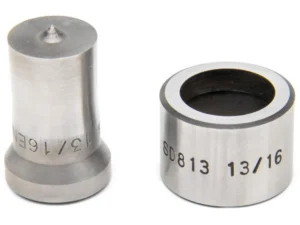
Paired tooling that sets the size and shape of each hole a hydraulic punch makes.
-
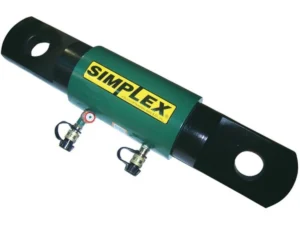
Two-way jack for shifting and lining up heavy components by pushing or pulling.

Q
-
Load testing a sample of bolts, anchors or parts to show the work meets spec.
-
Lets you attach or detach hydraulic hoses in seconds with no tools needed.
R
-
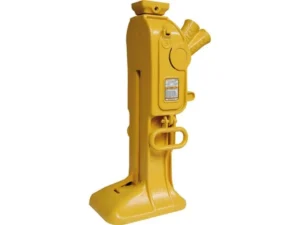
Lever-operated mechanical jack that locks the load in place without hydraulics.
-
How much load each support of a structure carries, as measured in bridge weighing.
-
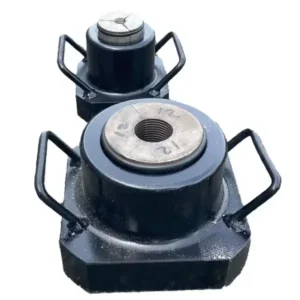
Clamp that lets a hollow cylinder pull on rebar to test its anchorage in concrete.
-
Pulls on installed rebar to confirm its bond to the concrete is strong enough.
S
-
How much spare capacity a tool has above the load you actually apply.
-
Hydraulic cylinder powered only to extend; a spring or the load retracts it.
-
Steel shoe with a slick pad that carries the load as it slides down the track.
-
Low-friction track and push-pull cylinders for sliding heavy loads into place.
-
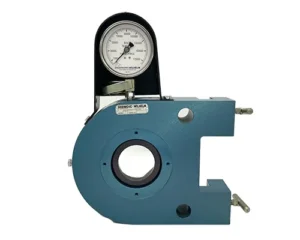
Rent a calibrated Skidmore-Wilhelm unit to check structural bolt tension on site.
-
Assemble the replacement deck beside the road, then shift it across during a short closure.
-
Seven-wire, high-tensile cable gripped by strand jacks and used for post-tensioned concrete.
-
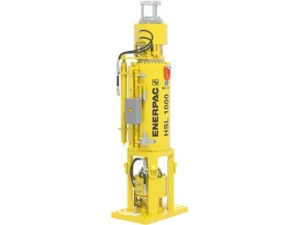
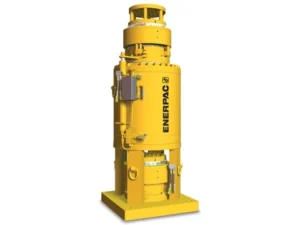
Hydraulic jack that climbs steel strands in repeated strokes to lift or lower huge loads.
-
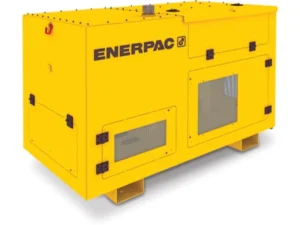
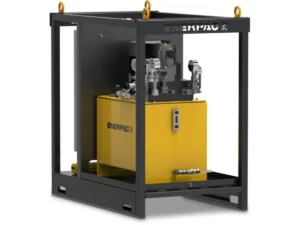
Hydraulic unit that feeds oil to strand jacks and sequences their grips and strokes.
-
The plunger's full travel distance, closed to open, which limits lift in one extension.
-
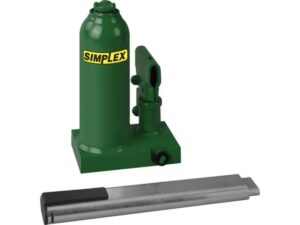
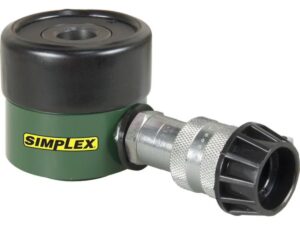
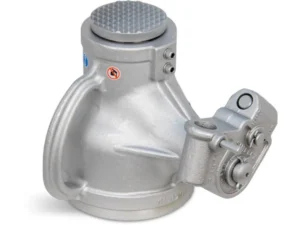
Simplex's aluminum-bodied heavy jack, lighter to carry than an all-steel unit.
-
Computer-run hydraulics that keep many jacking points moving together and level.
T
-
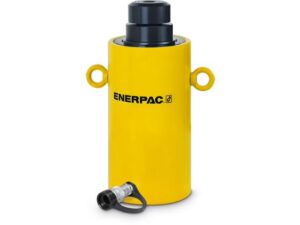
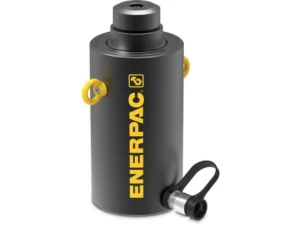
Multi-stage cylinder whose sections slide out in sequence for long travel from low height.
-
Pulling on ground anchors with a hollow jack to prove they hold the required load.
-
Swiveling plunger cap that angles slightly so it bears evenly on a sloped surface.
-
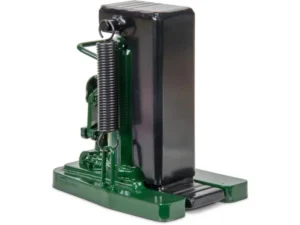
Low-foot jack that gets under machines sitting close to the ground and lifts them clear.
-
Short ton or metric tonne? About a 10% gap, so confirm the unit on any rating.
-
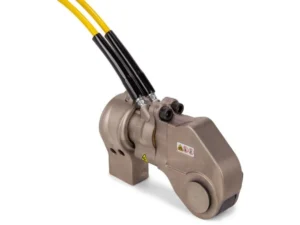
Rotational force in Nm or ft-lbs, the turning effort applied when tightening fasteners.
-
Verifying torque wrenches and Skidmore-Wilhelm units against NIST-traceable references.
-
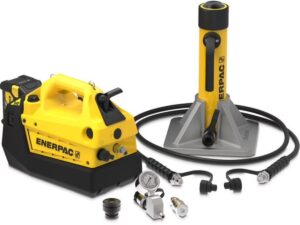
Rail jacks and lifting kits for maintenance-of-way and rolling stock work.
U
-
Reinforcing existing foundations, commonly by pressing pile sections in underneath.
-
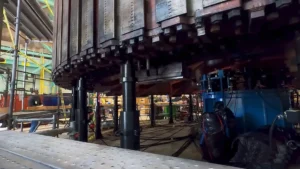
Pile test that applies upward pull to confirm resistance to tension loads.
V
-
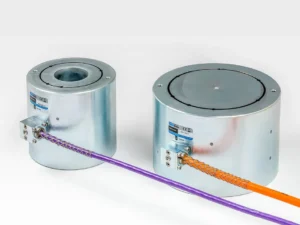
Frequency-based load cell suited to permanent, long-term force monitoring.
-
An oil's resistance to flow, a key factor in hydraulic performance.
W
-
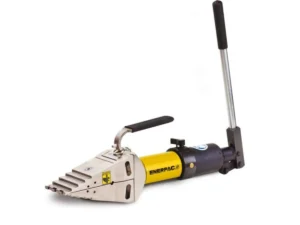
Hydraulic wedge tool that opens tight gaps between flanges and machine parts.
-
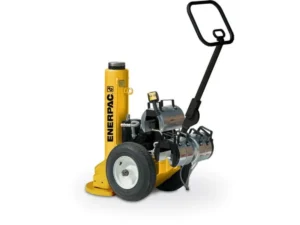
Rolling heavy jack that wheels under trucks and machines for easy positioning.
X
-
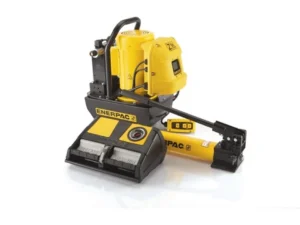
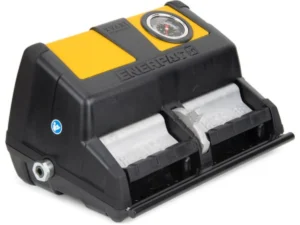
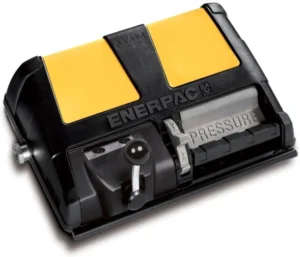
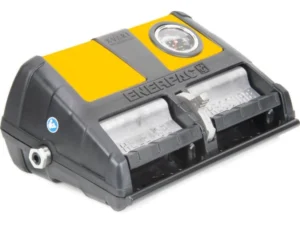
Air-driven Enerpac hydraulic pump operated by foot pedal, leaving hands free.
-
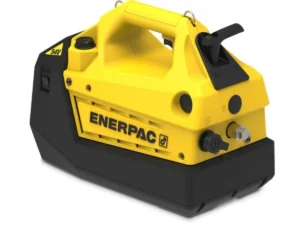
Battery-run Enerpac pump bringing powered hydraulics to sites without mains power.
Y
-
Stress at which steel begins permanent stretch, a key ceiling for test loads.
-
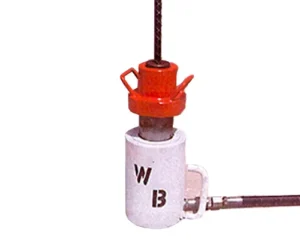
Bridge-shaped reaction stand that lets a hollow cylinder pull on an anchor or bar.
Z
-
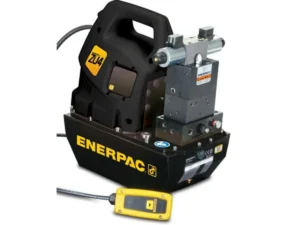
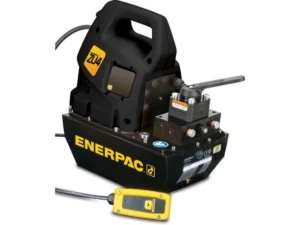
Enerpac's electric hydraulic pump family for fast, dependable cylinder and tool work.
-
Baseline value on a gauge or load cell, recorded before any test load is applied.
Nothing matches that yet. Send us your question and we'll answer it.